A Japanese auberge and the seafood of eastern Hokkaido
Travelling 1750 km for Tsukizen at Shogetsu Ryokan in Nemuro
A Japanese auberge and the seafood of eastern Hokkaido
FS Publishing Travel Local Food
We travelled from Kumamoto to Nemuro in eastern Hokkaido, roughly 1,750 km away. One of the meals we had been looking forward to was Tsukizen, the dinner course at Shogetsu Ryokan.
The reviews on Google Maps had caught our attention. Since we were going all that way, we wanted to enjoy the food to the fullest, so we chose Tsukizen, the highest-tier dining plan offered for our stay.
Hanasaki crab, kinki, scallops, sea urchin and surf clams: the table brought together some of the seafood associated with the Nemuro Peninsula and its surrounding waters. We are an older couple and beginners on YouTube, but for this meal we decided to play at being food YouTubers. We focused on the quality of the ingredients, the portions and the care taken in preparing each dish.
Dinner began with the proprietor explaining the Tsukizen menu. We enjoyed the opening dishes and the hassun, an assortment of small seasonal delicacies, accompanied by the local sake Kita no Katsu. Conversation with the attendant added to the pleasure. Then came the sashimi, grilled kinki and Hanasaki crab. Each new dish gave us something else to marvel at.
The ingredients were excellent, the seasoning brought out their flavours, and the preparation showed care even in making the food easy to eat. Both the quality and the quantity left us thoroughly satisfied.
Yet saying that the meal was delicious does not quite explain the pleasure of eating here. To understand a little more, it helps to look at the seafood, the natural setting of Nemuro and the idea of travelling somewhere specifically for a meal.
1 Hanasaki crab from the coastal waters of Nemuro
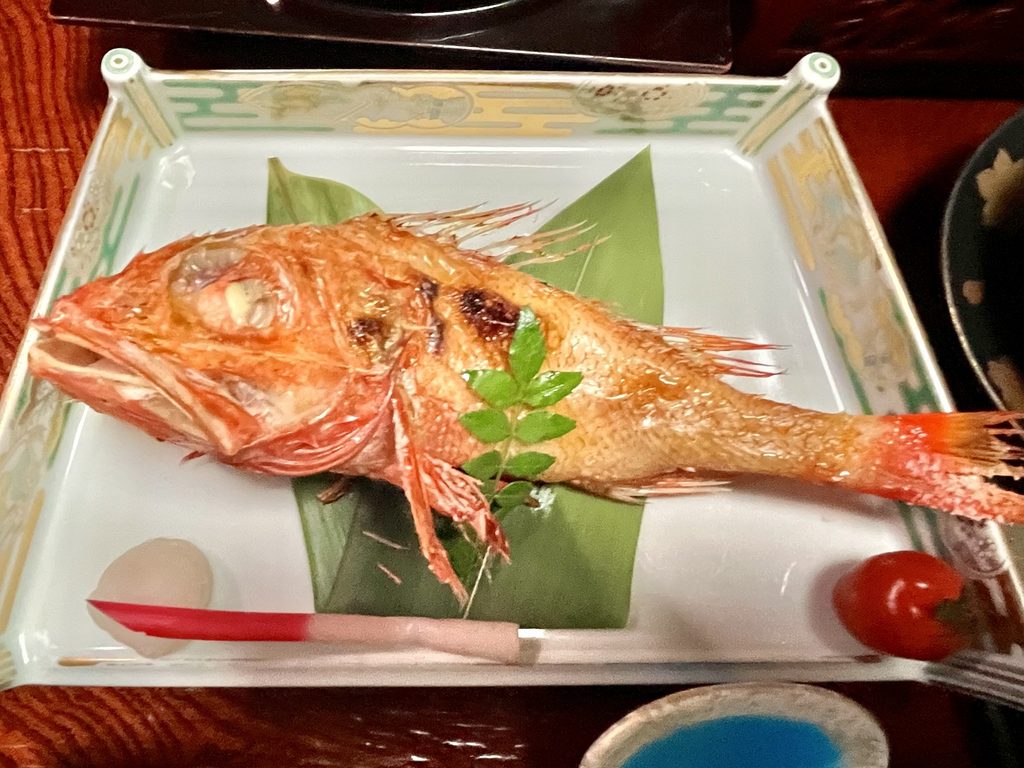
For many visitors, Hanasaki crab is one of the foods most closely associated with Nemuro. Its shell and legs carry prominent spines, and it turns a vivid red when cooked. The thick legs contain firm, springy meat with a rich flavour.
Despite its name, Hanasaki crab belongs to the anomurans, the group that also includes king crabs and hermit crabs. Around Hokkaido, it occurs along the Pacific coast between Cape Erimo and Cape Nosappu, as well as in waters north of the Nemuro Peninsula. It lives in relatively shallow coastal waters. [1]
One local name is konbu-gani, or “kelp crab”. This does not mean that kelp is its only food. Hanasaki crab is omnivorous, eating both plant and animal material. Its life depends on the wider coastal ecosystem, including seaweeds and the small animals living around them. [1]
At dinner, we particularly appreciated the preparation that made the crab easy to eat, including cuts already made in the shell. A splendid crab can demand so much attention to extracting the meat that conversation comes to a halt. This advance work by the kitchen helped us relax and enjoy the meal together.
2 Kinki from the deep sea
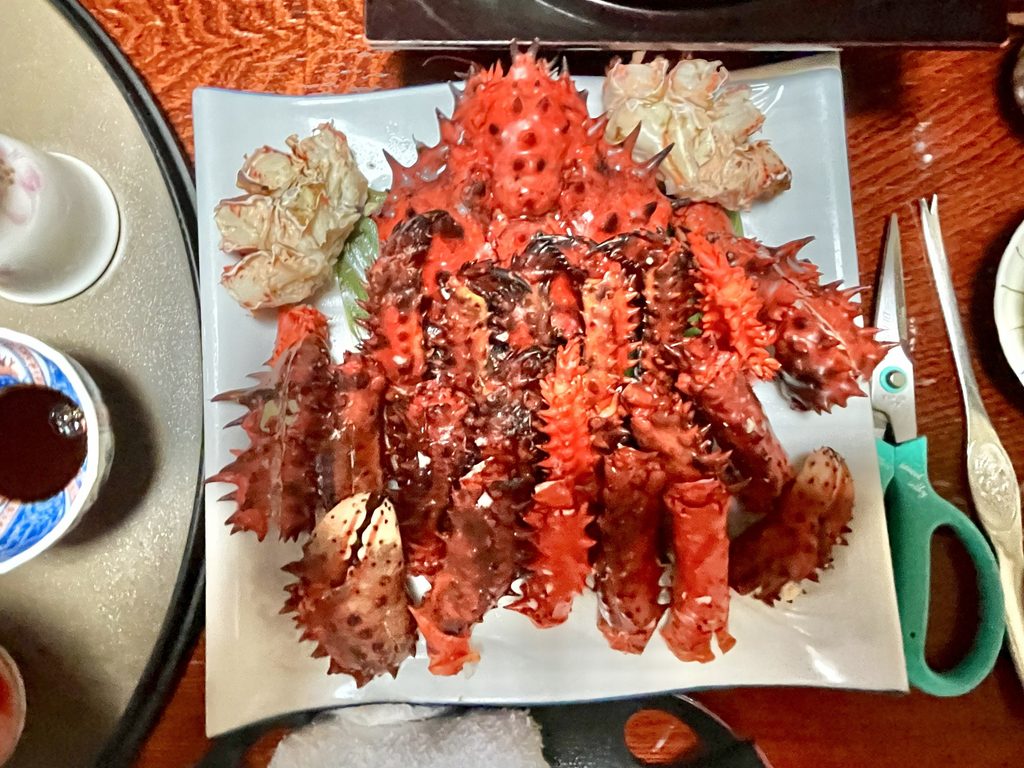
Kinki is a bright red fish with large eyes. Its standard Japanese name is kichiji, and in eastern Hokkaido it is also called menme.
Around Hokkaido, it occurs on the Pacific and Sea of Okhotsk sides, living on the continental slope at depths of about 150 to 1,200 m. It tends to remain around rocky seabed habitats rather than making extensive migrations. A Nemuro seafood meal can therefore bring together animals from very different environments, from the shallow coastal home of Hanasaki crab to the deep seabed inhabited by kinki. [2]
Its appeal lies in its tender white flesh and abundant fat. Grilling adds the aroma of browned skin while allowing the flavour of the fish to come through. The grilled fish we ate showed how much a fine ingredient can offer when the cooking is carefully judged.
It is tempting to explain fatty fish simply by saying that they need fat to survive in cold water. In fact, fat content also depends on the species, diet, growth and reproductive condition. Water temperature alone is too simple an explanation for the qualities of kinki.
3 Kasube and the pleasure of edible cartilage
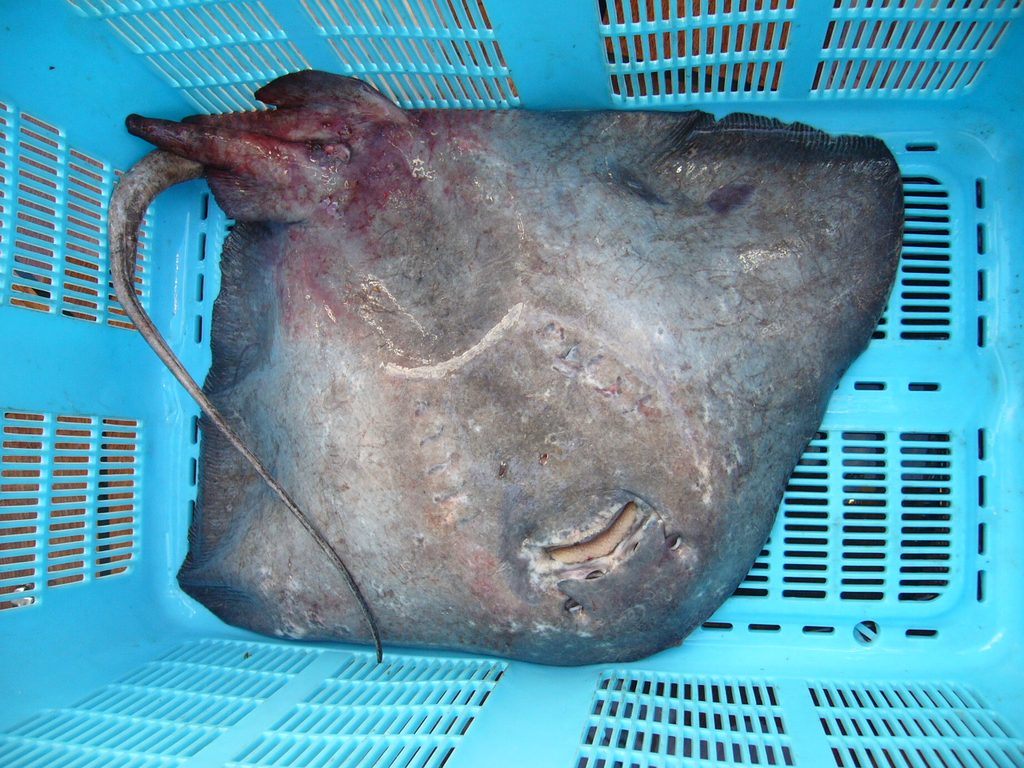
Kasube is a regional name used in Hokkaido for skates. Species eaten under this name include meganekasube, but the word kasube alone does not identify a single species.
The part most commonly eaten is the broad pectoral fin, often called the wing. Its cartilage can be eaten along with the flesh, giving a combination of tender meat and a pleasantly firm, crunchy texture. In Hokkaido, kasube is prepared in several ways, including simmering, dressing with vinegared miso and deep-frying. [3]
Simmered kasube is an established regional dish. When cooled, the gelatin-rich cooking liquid sets into nikogori, a savoury jelly. The same dish offers different pleasures depending on its temperature: warm flesh and cartilage, followed by the soft jelly after cooling. [4]
Crab and sea urchin may be the first things that come to mind when we think of prized seafood. But discovering a region’s food also means learning about the fish used in everyday cooking and the local ways of preparing them.
4 Nabekowashi and a fish worth scraping the pot for
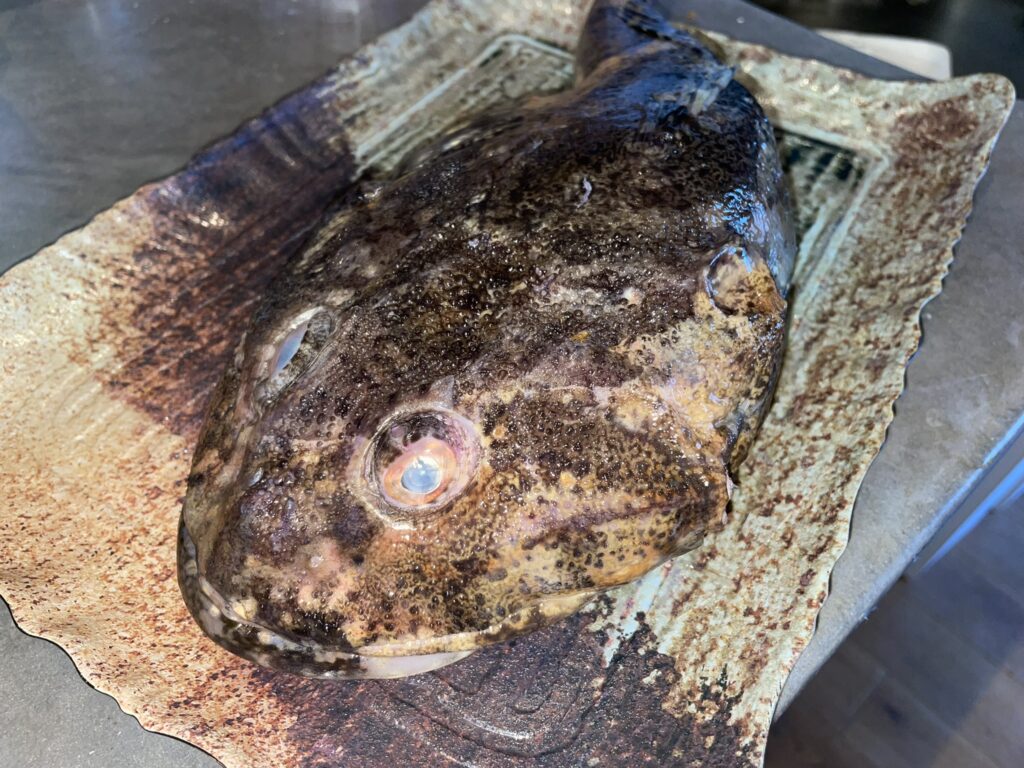
Nabekowashi literally means “pot breaker”, a rather alarming name for a fish. In Hokkaido it is a local name for togekajika, a marine sculpin.
The familiar explanation is that sculpin soup tastes so good that people keep poking and scraping at the bottom with their chopsticks until they break the pot. Whether or not a pot was ever broken, the name conveys the enthusiasm with which the fish is eaten. [5]
Togekajika generally lives on the seabed at depths of about 50 to 300 m, moving into shallower coastal water during the winter spawning season. It is a predator that eats fish and shellfish. The liver is particularly valued, alongside the flesh, and is used in soups and in tomoae, a dish in which the flesh is dressed with its own liver. [5]
Other sculpins are also used in Hokkaido hot pots, including kemushikajika. Regional fish names can vary between places and markets, so a menu name such as kajika or nabekowashi should not, by itself, be treated as definitive identification of the fish served. [6]
Learning these names adds another small pleasure to eating while travelling.
5 The Nemuro Peninsula and its varied marine habitats
Driving through the Nemuro Peninsula, we were struck by the low, open country. It looks very different from the mountain scenery of the Shiretoko Peninsula.
Marine terraces are a characteristic feature of Nemuro. These are former coastal surfaces, shaped in part by wave action and left above the sea as a result of land movement and changes in sea level. The gently rolling landscape preserves traces of earlier shorelines. [7]
The Pacific Ocean lies to the south, while Nemuro Bay lies to the north, with the Nemuro Strait farther beyond. On the Pacific side of eastern Hokkaido, the nutrient-rich Oyashio Current supports marine food webs based on phytoplankton and helps sustain kelp growth. [8]
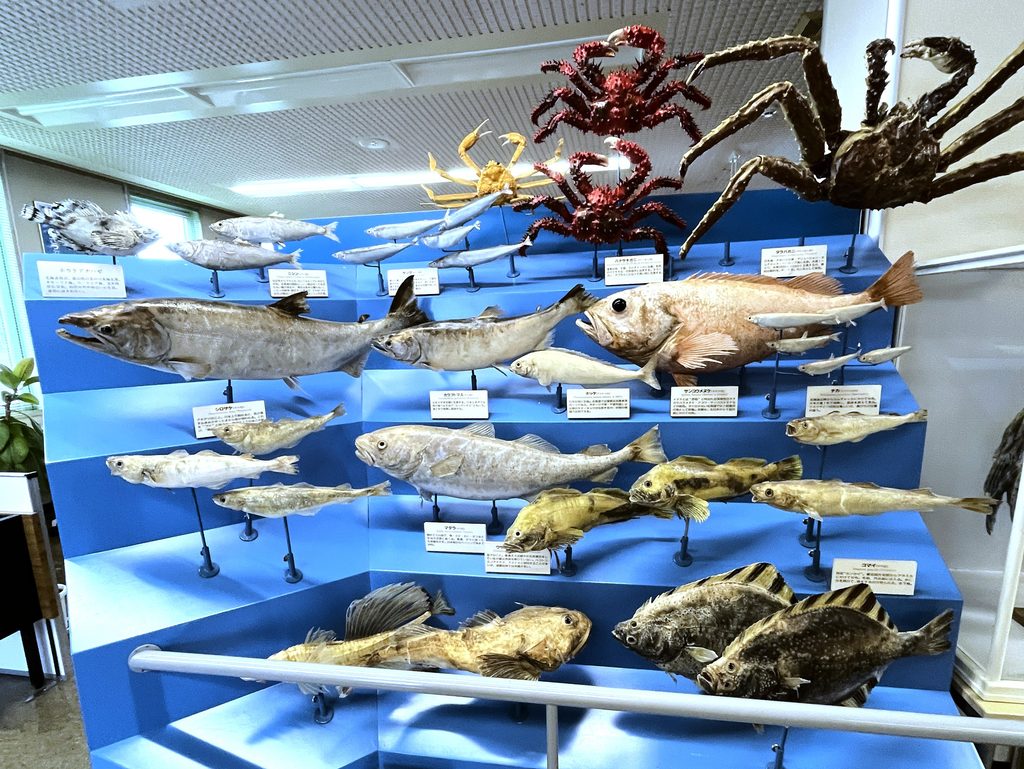
Currents are only part of the explanation. Shallow rocky ground, sandy or muddy seabeds and deeper offshore slopes offer different habitats. Hanasaki crab and kinki can appear at the same dinner because seafood from these different environments is brought together through fishing ports and the work of the kitchen.
The phrase “Nemuro seafood” therefore covers a wide range of marine habitats. A meal offers a chance to sample something of that variety.
This does not mean that every ingredient served at an inn was necessarily caught immediately off the peninsula. Asking about the origin and fishing method of the day’s ingredients can make the experience more informative still.
6 Auberges and Japanese kappo ryokan
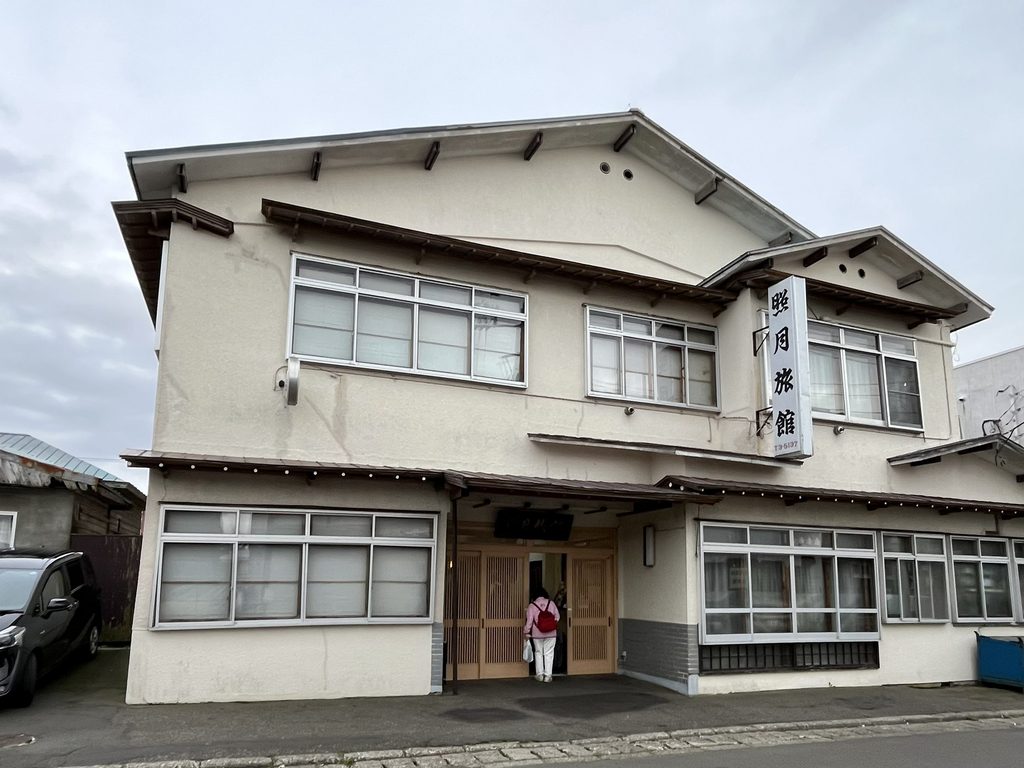
After this dinner, I wanted to describe Shogetsu Ryokan as a Japanese auberge.
In Japanese travel usage, an auberge generally means a restaurant with accommodation. You travel there for the cooking, enjoy your meal and stay overnight. The food becomes a reason for the journey. The term does not necessarily imply a luxury property. [9]
Japan also has kappo ryokan and ryori ryokan, inns where carefully prepared Japanese cuisine is a major attraction. Guests can take their time over dinner, enjoy sake and then retire to their rooms. This has much in common with the experience of staying at an auberge.
Individual establishments differ, but the following comparison outlines the similarities and typical differences from a traveller’s perspective.
| Aspect | Auberge | Japanese kappo or ryori ryokan |
| Reason to visit | The cooking is a principal reason for the journey. | Cuisine is a major attraction of the stay. |
| Typical food | French cuisine and other culinary styles. | Japanese cuisine, kaiseki meals and regional dishes. |
| Local connection | Regional ingredients interpreted by the chef. | Seasonal ingredients and local flavours shaped by the cook’s skills. |
| Dining setting | Usually a restaurant. | A guest room, private dining room or shared dining space. |
| Shared appeal | A meal and an overnight stay form one experience. | A meal and an overnight stay form one experience. |
These are broad tendencies rather than strict boundaries. Japan now has auberges serving Japanese cuisine, and the names and styles overlap. [9]
Shogetsu Ryokan introduces its seafood kaiseki courses on its official website, and the Nemuro tourism association also highlights its cooking. I call it a Japanese auberge because, for us, eating there became a purpose of the trip. [10, 11]
We listened to explanations of the dishes, shared our impressions and enjoyed the food with local sake. Afterwards, there was no need to hurry away. We could stay at the inn and let the pleasure of the evening linger.
Shogetsu Ryokan lived up to its reputation. It has joined our list of places we would happily return to for another meal.
Some things really do have to be experienced in person, at the table. We left well fed and very happy with our journey.
The dishes described here reflect our own stay. The inn’s official information notes that Hanasaki crab may be unavailable depending on fishing and supply conditions. [10]
References
Japanese-language sources unless otherwise indicated. Website titles below are translated into English for readers.
[1] Hokkaido Government. Hanasaki crab.
[2] Hokkaido Government. Kichiji.
[3] Hokkaido Government. Meganekasube.
[4] Ministry of Agriculture, Forestry and Fisheries. Simmered kasube in Hokkaido. Our Regional Cuisines.
[5] Hokkaido Government. Togekajika.
[6] Hokkaido University, Usujiri Fisheries Station. Kemushikajika.
[8] Hokkaido Research Organization. The seas surrounding Hokkaido.