The 2026 Kumamoto Earthquake (Reiwa 8)
At approximately 4:27 p.m. on July 28, 2026, a major earthquake struck central Kumamoto Prefecture. The epicenter was located in the Kumamoto region, and the highest seismic intensity of 7 on the Japan Meteorological Agency (JMA) scale was recorded in Hikawa Town, Uki City. The Japan Meteorological Agency officially named this series of seismic events the “2026 Kumamoto Earthquake (Reiwa 8).”
The earthquake satisfied the JMA’s naming criteria for a major inland earthquake, namely a magnitude of 7.0 or greater and a maximum seismic intensity of at least 5 Upper. Occurring approximately ten years after the 2016 Kumamoto Earthquake, it once again brought severe ground shaking to Kumamoto Prefecture.
Strong shaking was felt throughout Kumamoto and across much of Kyushu. Tsunami advisories were also issued for the Ariake Sea and the Yatsushiro Sea. The Japanese government immediately established an emergency disaster response headquarters, while the Self-Defense Forces, fire departments, police, and other emergency agencies were mobilized to assess damage and conduct rescue operations. Kumamoto Prefecture and Kumamoto City also activated their disaster response headquarters, opened evacuation shelters, initiated special collection of disaster waste, and continuously provided information regarding public transportation, public facilities, and other services to support affected residents.
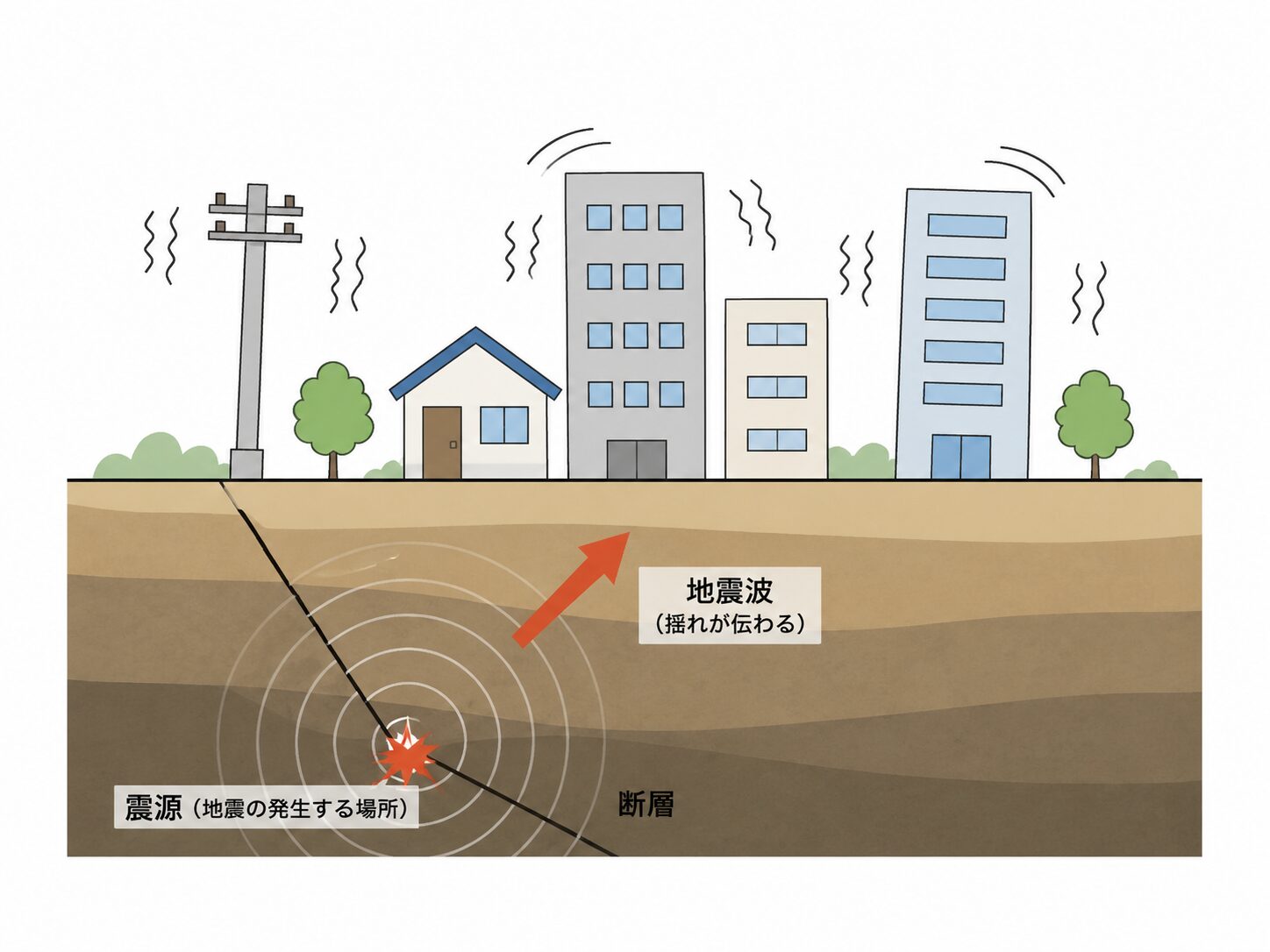
Kumamoto Prefecture is one of Japan’s most active tectonic regions and is traversed by several major active fault systems, including the Tatsutayama Fault, the Futagawa Fault Zone, and the Hinagu Fault Zone. During the 2016 Kumamoto Earthquake, these fault systems ruptured successively. Although the relationship between the 2026 earthquake and these active faults has yet to be fully clarified, detailed seismological analyses are expected in the coming months. As of July 29, 2026, seismic observations suggest that subsurface rock fracturing is continuing beneath the Uki area, corresponding to the northern segment of the Hinagu Fault Zone, and beneath the urban area of Yatsushiro City, corresponding to its central segment. Continued analysis of aftershock activity, crustal deformation, damage distribution, and other geophysical observations is expected to improve our understanding of the earthquake-generation processes in the Kumamoto region.
Because the 2026 Kumamoto Earthquake occurred almost exactly ten years after the devastating 2016 event, it has prompted a renewed evaluation of disaster preparedness, seismic retrofitting, and regional recovery efforts. More importantly, it has reminded society that major earthquakes are recurring natural phenomena rather than isolated events. Continued vigilance against aftershocks remains essential, and it is hoped that the affected communities will achieve a swift and full recovery.