The Science of Hot Springs in Higo
Kumamoto Prefecture is not only one of Japan’s foremost hot spring regions but also one of the world’s rare groundwater kingdoms. Its vast volcanic landscape, created by Mt. Aso, together with geological structures formed over millions of years, has given rise to an extraordinary diversity of hot springs. Volcanic hot springs such as Kurokawa Onsen and Tsuetate Onsen, alkaline simple springs such as Hirayama Onsen and Yamaga Onsen, and radioactive springs such as Tamana Onsen and Ueki Onsen have each developed within distinct geological environments.
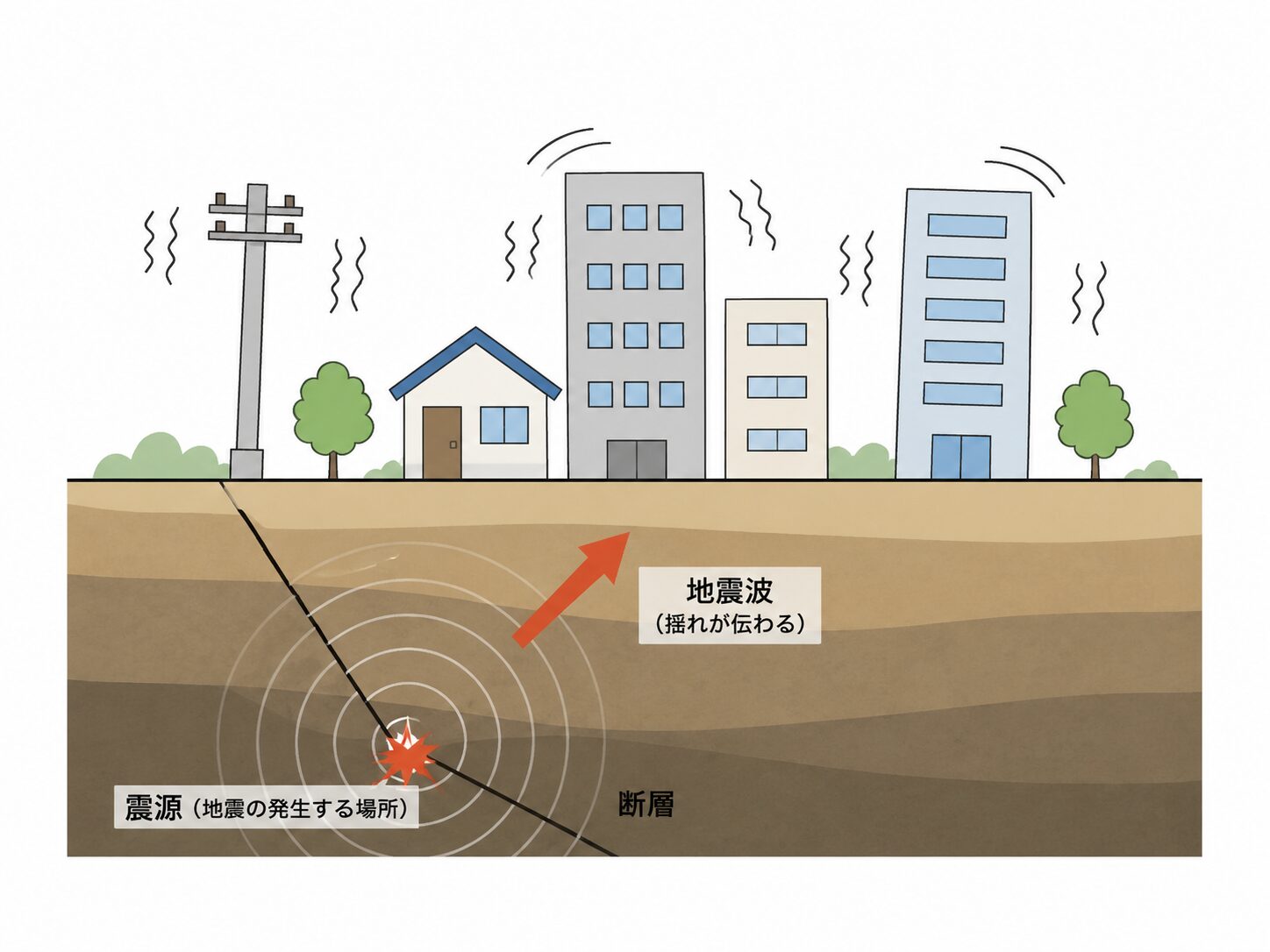
A hot spring is far more than simply warm water. It is the product of Earth’s dynamic hydrological cycle. Rainwater infiltrates deep underground, reacts with rocks, dissolves minerals, and is eventually returned to the surface through the influence of faults, groundwater flow, and volcanic activity. Its chemical composition, temperature, and discharge rate preserve valuable records of geological processes occurring hundreds or even thousands of meters beneath the Earth’s surface.
This book explores the hot springs of the historic Higo region from a scientific perspective rather than focusing solely on their therapeutic benefits. Why does a particular hot spring emerge at a specific location? Why do neighboring hot springs differ so greatly in water chemistry? By integrating geology, groundwater science, volcanology, tectonics, and the history and culture of the people who have lived alongside these springs, this book reveals a deeper understanding of their origins and significance.
The more you learn about hot springs, the more clearly the unique character of each spring comes into view.